
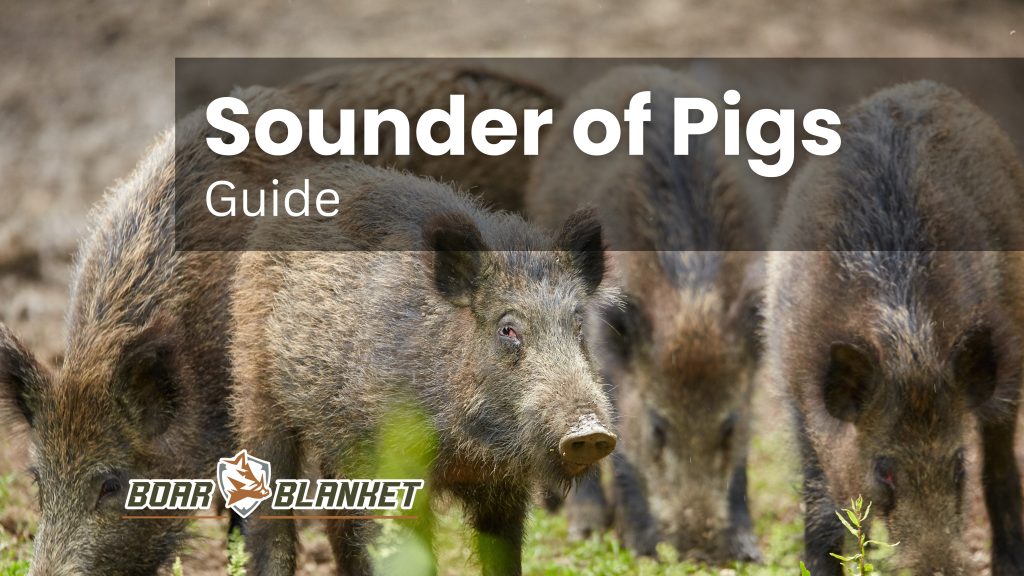
Sounder of Pigs – Guide
A sounder of pigs is a social group of wild hogs that typically includes sows and juveniles, with movement patterns that can look random until they are monitored consistently. Understanding sounder behavior is the key to high-quality hog control.
If you are trying to reduce damage, your target is not one hog. Your target is predictable full-group capture and sustained pressure reduction.
What Is a Sounder of Pigs?
A sounder is a coordinated family-style group that:
- feeds and travels together
- responds to pressure as a group
- can rapidly repopulate local zones if not fully disrupted
This is why partial captures often fail long-term. Survivors adapt and become harder to pattern.
Typical Sounder Behavior Patterns
Sounders often show:
- repeat travel corridors
- recurring feeding windows
- strong response to disturbance
- changed arrival times after pressure events
Camera data is the fastest way to identify these patterns accurately.
Why Sounder Strategy Beats Individual-Hog Tactics
Individual removals can help, but group-level strategy drives durable results. A sounder-focused plan:
- improves capture efficiency
- lowers repeat damage windows
- reduces trap-shy behavior over time
Related:
How to Pattern a Sounder Correctly
Use a three-step evidence process:
- Confirm repeat attendance using trail cameras.
- Estimate full-group size across multiple nights.
- Trigger only when full-group confidence threshold is met.
Do not force action after one promising night. Pattern stability matters more than urgency.
Common Mistakes That Educate Sounders
- early trigger decisions
- inconsistent baiting windows
- repeated human intrusion at active sites
- moving trap setup too frequently without evidence
Each mistake can convert a catchable group into a trap-aware group.
Sounder Size and Trap Planning
Trap planning should match observed group size:
- small groups: maintain strict timing, avoid complacency
- medium groups: prioritize full attendance checks
- large groups: design for capacity and controlled trigger logic
A mismatch between trap setup and real group size causes avoidable misses.
Monitoring and Recovery After Capture Events
After any event:
- review camera movement changes
- confirm whether survivors remain active
- adjust location and timing only when evidence supports it
Without post-event review, teams repeat the same errors cycle after cycle.
Final Recommendation
Treat each sounder as a behavior system, not random hog activity. Teams that track patterns, enforce trigger criteria, and avoid process drift consistently outperform teams that rely on opportunistic action.
For implementation depth:
—
Frequently Asked Questions
What is the difference between a sounder and a lone boar?
A sounder is a social group, while a lone boar is an individual animal. Control strategy differs significantly between the two.
Why does full-sounder capture matter?
Partial capture leaves survivors that can become trap-aware and harder to remove.
How do I know if I found the same sounder again?
Use repeat time windows, group composition patterns, and camera confirmations over multiple days.
Can hunting alone control a sounder?
Sometimes temporarily, but recurring sounder pressure often requires coordinated trapping.
How long should I monitor before triggering?
Long enough to verify consistent full-group attendance and calm site behavior.