
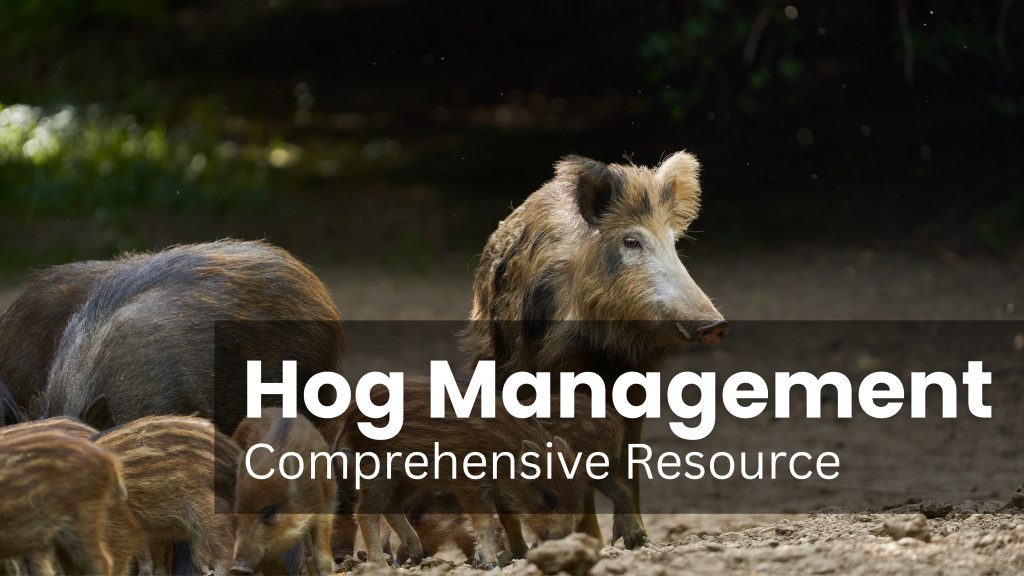
Hog Management — Comprehensive Resource
Overview of Feral Hog Management Challenges
Feral hogs cause $2.5 billion in damage each year across America. These invasive pests destroy crops, spread disease, and damage property. Managing them requires smart planning and the right tools.
The biggest challenge is their breeding speed. One sow can have 20 piglets per year. A small group becomes a major problem within months. Traditional wildlife control methods often fail because hogs learn fast and change their behavior.
No single method works everywhere. Your location, property size, and hog numbers determine which strategies work best. Many landowners learn the hard way that waiting to act costs far more than early prevention.
Success requires understanding hog behavior and using multiple control methods. Smart property owners combine fencing, trapping, and other tools. They also work with neighbors since hogs don’t respect property lines.
Understanding the Scope of the Problem
Feral hogs now live in at least 35 states. Texas alone has 2.6 million hogs. Southeastern states report fast-growing populations. These numbers increase through natural breeding and illegal releases by people who want to hunt them.
Farm damage is the most visible problem. Hogs root through fields like living rototillers. They eat planted seeds and destroy mature crops. One group can ruin several acres in a single night.
The damage goes beyond lost crops. Hogs pollute water sources with waste. They cause erosion along streams. Native wildlife loses food and habitat to these aggressive invaders.
Disease is another major concern. Feral hogs carry over 30 diseases that spread to livestock, pets, and people. Learning about wild hog diseases helps you understand why control matters so much.
The economic impact hits entire communities. Property values drop in areas with hog problems. Insurance claims rise. Damaged wildlife habitat needs expensive restoration that takes years to complete.
Environmental damage extends far beyond visible destruction. Hogs destroy native plant communities that took decades to establish. They compete with deer, turkey, and other wildlife for food. Rare plants disappear from areas where hogs root regularly.
Water quality suffers when hogs wallow in streams. Their waste contains harmful bacteria like E. coli. This contamination affects downstream users and costs millions to clean up. Some communities spend huge sums treating water that hogs pollute.
Prevention Strategies: Fencing and Habitat Modification
Prevention costs much less than removing established hogs. Good fencing is your first defense for valuable areas. While fencing entire properties isn’t practical, strategic placement protects what matters most.
Effective hog fencing needs specific features. Build at least 3 feet high with the bottom wire touching the ground. Use heavy wire mesh or electric strands. Space posts no more than 8 feet apart. Check and repair damage regularly.
Electric fencing works well for smaller areas. Use multiple strands starting at ground level. Solar chargers work in remote locations. Many farmers protect gardens and feed storage with electric fence.
Habitat changes make your property less attractive to hogs. Remove or protect food sources that draw them in. This includes:
- Deer feeders and corn piles
- Fallen fruit from trees
- Pet food left outside
- Compost piles with food waste
- Spilled grain around bins
- Garden produce left unharvested
Eliminate thick brush near crop fields. Hogs bed in heavy cover during the day. Clearing a buffer zone between woods and fields reduces damage. Some landowners mow wide strips to discourage hog movement.
Water management is crucial since hogs need daily water. Fence stock ponds or provide alternative water for livestock. Solar-powered electric fence around water sources works well. Removing water access forces hogs to move elsewhere.
Plant selection can help deter hogs. Choose crops hogs don’t prefer when possible. Plant vulnerable crops away from cover. Use sacrifice plots to draw hogs away from valuable areas. Some farmers plant sorghum borders that hogs avoid.
Timing matters in prevention. Plant after peak hog activity in your area. Harvest quickly when crops mature. Don’t leave windfall fruit on the ground. Clean up spilled grain immediately. These simple steps reduce hog visits.
Population Control Methods
Once hogs move in, you need active control measures. Success means removing entire family groups, not just individual pigs. Research shows you must remove 70% of hogs yearly just to keep numbers stable.
Combine different methods based on your situation. What works on one property may fail on another. Understanding why hunting doesn’t control hog populations saves time and money.
Professional Removal Services
Hiring professionals often removes more hogs faster than DIY efforts. These experts use trained dogs, night vision, and proven techniques. While costly upfront, they often save money compared to ongoing damage.
Aerial gunning from helicopters works great in open country. Trained shooters can remove dozens of hogs per hour. This method needs special permits but often costs less per hog than other options.
Professional trappers bring experience and equipment. They know hog behavior patterns. They own multiple traps and cameras. Many guarantee results or adjust their fees based on success rates.
Chemical Control Options
Poison baits offer another tool in specific situations. The EPA approved sodium nitrite for hog control. Special feeders keep other animals out. Check your state laws since rules vary widely.
Some states test new toxicants through research programs. These require careful use and monitoring. Always follow label directions exactly. Never use unapproved poisons that harm non-target wildlife.
Fertility control shows promise for the future. Researchers test drugs that reduce hog breeding. These methods won’t replace current tools but may help long-term. Stay informed about new developments.
Shooting and Sharpshooting
Strategic shooting removes problem hogs when done right. Night shooting with thermal scopes increases success. Bait sites concentrate hogs for efficient removal. Suppressed rifles reduce noise in populated areas.
The key is patience and proper shot placement. Poor shooting educates hogs and makes them harder to control later. Many landowners find that hiring skilled shooters produces better results.
Technology improves shooting success. Thermal drones locate hogs in thick cover. Smart feeders alert you when hogs arrive. Trail cameras show hog patterns and numbers. Use these tools to shoot smarter, not harder.
Trapping as a Management Tool
Trapping catches more hogs per hour than any method available to landowners. Modern sounder trapping captures whole family groups at once. This prevents survivors from teaching others to avoid traps.
Success requires the right equipment and patience. Large trap systems at least 20×20 feet hold entire sounders. Small traps often catch only young or weak hogs while smart ones escape.
Choosing the Right Trap
Corral traps catch the most hogs per set. Good corral traps include:
- Heavy panels at least 5 feet tall
- Strong gate systems that won’t bend
- Smooth walls hogs can’t climb
- Shade covers for summer comfort
- Multiple gates for easy loading
- Wheels or skids for moving
Box traps work for single hogs but rarely catch groups. These portable units fit small properties. However, hogs learn to avoid them after seeing others caught.
Drop nets and suspended traps offer new options. These designs catch trap-shy hogs that avoid traditional corrals. Remote triggers let you watch and wait for the perfect moment.
Smart traps use cell cameras and automatic gates. You watch from home and trigger remotely. This technology costs more but catches entire sounders. It also saves gas and time checking traps.
Baiting Strategies That Work
Good baiting makes or breaks your trapping success. Start with corn, the universal hog bait. Sour corn works better in hot weather. Add diesel fuel or berry flavoring to make your bait unique.
Pre-bait for at least a week before setting traps. This builds confidence and patterns. Use trail cameras to count hogs and watch behavior. Don’t set traps until the whole sounder feeds together.
Bait placement matters as much as bait type. Create a trail leading into the trap. Place most bait at the back to draw hogs fully inside. Refresh bait regularly to maintain interest.
Ready to start trapping? Know where to buy quality traps that last. Good equipment pays for itself through better catch rates.
Seasonal baiting works better. Use corn in winter when food is scarce. Try overripe fruit in summer. Match your bait to what hogs eat naturally. This increases trap success rates.
Hunting and Sport Harvest
Hunting alone won’t solve hog problems, but it helps as part of a bigger plan. Sport hunting brings in money that funds other control work. It also removes some hogs and provides recreation.
Night hunting works best since hogs feed after dark. Thermal scopes let hunters see in complete darkness. Many states now allow night hunting specifically for hogs. Check your local laws first.
Effective Hunting Methods
Different hunting styles fit different situations:
- Stand hunting over bait: Good for beginners
- Spot and stalk: Works in open areas
- Dog hunting: Covers lots of ground fast
- Driven hunts: Great for group efforts
- Thermal drone scouting: Finds hogs in cover
- Suppressed rifle hunting: Reduces noise issues
The main problem is that hunting usually takes one or two hogs at a time. Smart hogs go nocturnal and avoid hunters. This makes them harder to control by any method later.
Making Hunting More Effective
Focus hunting pressure on specific areas. Target hogs causing the most damage first. Use hunting to push hogs toward traps. Coordinate with neighbors to prevent hogs from just moving between properties.
Keep detailed records of hunting success. Note locations, times, and hog behavior. This information helps plan future control efforts. Share data with other hunters to improve area-wide results.
Consider guided hunts to generate income. Many hunters pay well for hog hunting experiences. Use this money to fund trapping and other control work. Some landowners cover all control costs through hunting fees.
Train new hunters on your property. Teach them about hog behavior and damage. Show them how hunting fits into larger management plans. Building a network of knowledgeable hunters helps long-term control.
Integrated Pest Management Approach
Integrated Pest Management (IPM) combines multiple tools for best results. This approach treats hog control as an ongoing process, not a one-time fix. Smart managers use different methods at different times.
Start by assessing your hog problem. Use cameras, tracks, and damage signs to estimate numbers. Map where hogs travel, feed, and bed. This information guides your control strategy.
Building Your IPM Plan
A good IPM plan includes:
- Population monitoring systems
- Damage prevention measures
- Multiple removal methods
- Success measurements
- Adaptation strategies
- Budget allocations
- Timeline goals
Timing matters in IPM. Trap during cold months when hogs need more food. Hunt when crops are most vulnerable. Adjust methods based on hog behavior changes.
Monitor constantly to catch problems early. Weekly camera checks show population changes. Document new damage immediately. Quick response prevents small problems from growing large.
Working with Neighbors
Hogs don’t respect fences, so neither should your control efforts. Form management groups with nearby landowners. Share equipment costs and knowledge. Coordinate trapping to prevent hogs from just moving next door.
Successful groups meet regularly to share information. They map hog movements across properties. Some groups hire professional trappers together. This teamwork multiplies individual efforts.
Create communication systems that work. Use group texts for hog sightings. Share trail camera photos. Alert neighbors before major control efforts. Good communication prevents wasted effort.
Measuring IPM Success
Track multiple indicators to measure progress. Count hog sightings on cameras. Measure crop damage in acres or dollars. Note changes in hog behavior and locations. Use this data to refine your approach.
Document everything with photos and notes. Before-and-after pictures prove your success. Good records help secure funding or cost-share assistance. They also guide future management decisions.
Set realistic goals and celebrate progress. Complete elimination rarely happens. Focus on damage reduction and cost savings. Share success stories to keep everyone motivated.
State and Federal Regulations Overview
Hog control laws vary greatly between states. Some states treat feral hogs as pests with few restrictions. Others regulate them as game animals with seasons and limits. Know your local rules before starting control work.
Federal agencies focus on agricultural protection. USDA Wildlife Services helps with technical advice and direct control. They research new methods and coordinate multi-state efforts. Many areas qualify for federal assistance.
Common Legal Requirements
Check these regulations before starting:
- Permits needed for trapping
- Rules about moving live hogs
- Carcass disposal requirements
- Weapon use near homes
- Baiting laws and limits
- Transportation restrictions
- Sale of hog meat rules
- Disease testing mandates
Most states ban hog relocation to stop spread. Some require killing trapped hogs immediately. Others mandate disease testing before moving carcasses. Following rules prevents fines and legal problems.
Getting Help from Agencies
Many agencies offer free assistance. County extension agents provide research-based advice. State wildlife agencies may loan traps or provide training. USDA programs offer cost-share funding for control work.
Contact your local USDA Service Center first. They explain available programs and eligibility. Some areas have dedicated hog control coordinators. These experts know local conditions and effective strategies.
Universities conduct hog research and education. Many offer workshops and field days. Extension publications provide detailed how-to guides. Take advantage of these free resources.
Liability Protection
Protect yourself from lawsuits related to control activities. Check your farm insurance for coverage gaps. Get written agreements with hunters or trappers. Post warning signs about traps. Follow all safety guidelines.
Some states offer liability protection for hog control. These laws shield landowners who allow hunting or trapping. Requirements vary, so verify your protection. Document all safety measures you take.
Keep good records of all control activities. Save permits and licenses. Document safety briefings with hunters. Photo damaged areas before control work. These records protect you if problems arise.
Cost-Benefit Analysis of Management Strategies
Understanding costs helps you spend wisely on hog control. Compare damage costs against control expenses. Factor in both direct costs like equipment and indirect costs like time spent.
Prevention typically offers the best value. A $5,000 fence protecting 10 acres might prevent $20,000 in yearly crop damage. Early action when hog numbers are low costs far less than controlling large populations.
Comparing Control Methods
Each method has different costs per hog removed:
- Trapping: $25-50 per hog with your labor
- Professional removal: $50-150 per hog
- Aerial gunning: $30-75 per hog
- Sport hunting: Often free but less effective
- Toxicants: $15-40 per hog where legal
- Dog hunting: $75-200 per hog
Consider efficiency, not just price. Professionals might cost more per hog but remove more hogs total. This often makes them cheaper than DIY efforts that drag on for months.
Finding Financial Help
Several programs help pay for hog control. USDA’s EQIP program funds fencing and habitat work. Some states offer bounties or equipment loans. Conservation groups may provide grants.
Apply early since funding is limited. Document your hog damage with photos and estimates. Show how control efforts will protect resources. Many programs require matching funds, so budget accordingly.
Private foundations sometimes fund hog control. Check with hunting organizations and conservation groups. Some offer equipment grants or training scholarships. Every dollar helps in the fight against hogs.
Long-term Budget Planning
Hog control is an ongoing expense, not a one-time cost. Budget for annual needs like bait, fuel, and equipment maintenance. Set aside emergency funds for population surges. Plan equipment replacement schedules.
Track all expenses to understand true costs. Include your time at a reasonable hourly rate. Compare yearly control costs to prevented damage. This analysis helps justify continued investment and guides spending decisions.
Consider control work as farm infrastructure investment. Like fences or equipment, it protects productivity. Budget 3-5% of gross farm income for pest control. This ensures sustainable long-term management.
Best Practices for Property Owners
Successful hog management starts with realistic goals. Complete elimination rarely happens, but major damage reduction is achievable. Focus on protecting your most valuable resources first.
Begin with a thorough property survey. Walk your land to find hog signs. Look for trails, wallows, and rooting damage. Mark these locations on a map. This baseline helps track progress.
Essential First Steps
- Take photos of current damage
- Set up trail cameras on main trails
- Remove food sources that attract hogs
- Protect high-value areas with fencing
- Choose your first control method
- Start keeping detailed records
- Connect with local hog control groups
- Create a realistic budget
- Set measurable goals
- Plan for long-term effort
Building Your Knowledge
Learn from others facing similar challenges. Join online forums and local groups. Attend workshops offered by extension services. Read research from universities in hog-affected states.
Be skeptical of miracle solutions. If something sounds too good to be true, it probably is. Stick with proven methods backed by research. What works great in one area might fail in yours.
Visit successful operations to see what works. Many landowners gladly share experiences. Take notes and photos during visits. Ask about failures too – learning what doesn’t work saves time.
Staying Motivated
Hog control is hard work that never really ends. Celebrate small victories like protecting a crop or catching a problem sounder. Share success stories with neighbors. Remember that every removed hog prevents future damage.
Take breaks to avoid burnout. Rotate control duties with family or neighbors. Hire help during busy seasons. Keep the big picture in mind – protecting your land for the future.
Join support networks of other landowners. Share frustrations and victories. Learn new techniques from group members. Having others who understand helps maintain motivation.
Continuous Improvement
Review your results regularly and adjust methods. What worked last year might not work now. Hogs learn and adapt, so you must too. Try new techniques when old ones lose effectiveness.
Keep learning about new control options. Attend field days to see equipment demonstrations. Network with other landowners to share tips. Stay informed about regulation changes and new assistance programs.
Most importantly, don’t give up. Hog management is a marathon, not a sprint. Consistent effort over time produces results. Your land will thank you for the protection.
Document your journey with photos and records. This history helps you and others learn. Share your story to encourage new landowners. Together, we can reduce hog damage across America.