
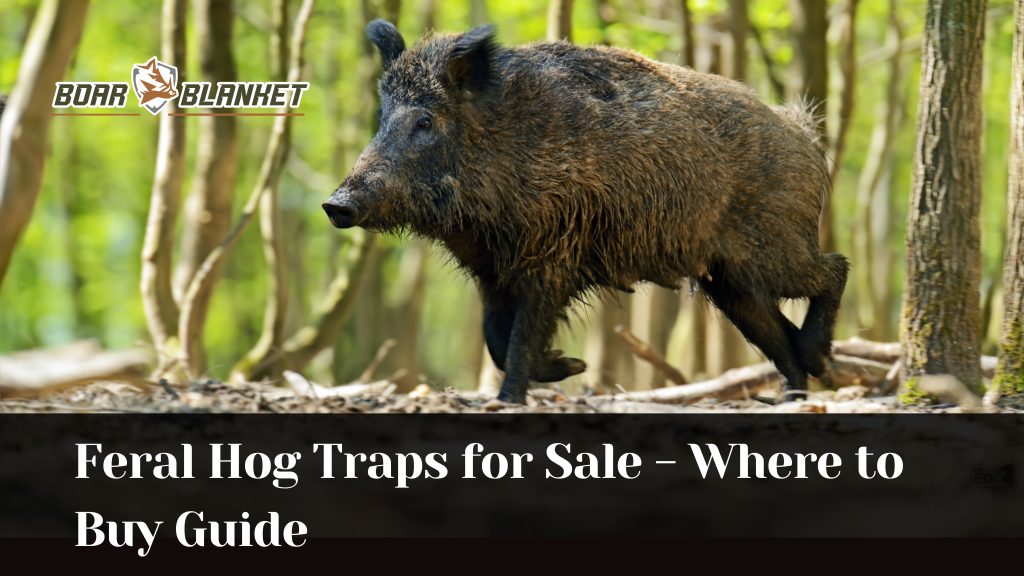
Feral Hog Traps for Sale — Where to Buy Guide
Where to Buy Feral Hog Traps
Finding the right feral hog trap starts with knowing where to shop. Today’s market offers many buying options. Each source has unique benefits. Whether you need a basic cage trap or an advanced Boar Blanket system, understanding your options helps you invest wisely.
The feral hog problem keeps growing across America. More suppliers now sell trapping solutions as a result. However, quality, selection, and support vary widely between vendors. Choosing the right source matters as much as picking the right trap.
Most buyers fall into three groups. Landowners protect their property first. Hunters manage wildlife populations second. Agricultural professionals defend their crops third. Each group has different needs and budgets. Fortunately, today’s market offers solutions for everyone.
Buying Direct from Manufacturers
Buying straight from manufacturers often gives serious trappers the best value. You avoid middleman markups this way. You also get expert help from the people who build the equipment. Plus, manufacturers typically offer better warranties and custom options.
Top manufacturers like Boar Buster, W.W. Manufacturing, and Jager Pro lead the direct-sales market. These companies focus only on hog control equipment. They understand your challenges well. Their sales teams can suggest specific setups based on your land and hog numbers.
Direct purchases also mean faster parts delivery. Manufacturers ship immediately when a gate spring breaks. Retailers often wait weeks for parts orders instead. This speed matters when hog rooting threatens your fields.
Many manufacturers now offer payment plans too. Some provide 12-month financing with no interest. Others work with farm lending companies. These options help small landowners afford expensive corral systems.
Agricultural Supply Retailers
Local farm stores remain popular for basic trapping needs. Tractor Supply, Rural King, and regional co-ops carry entry-level cage traps. These stores serve customers who need quick solutions without shipping delays.
Farm retailers excel at one-stop shopping. They stock traps, bait, cameras, and handling gear together. You can buy everything for your trapping program in one trip. Staff often know local hog patterns and successful baiting methods too.
However, selection stays limited at most stores. You’ll typically find just one or two cage trap models. Corral traps rarely fit in showrooms either. Prices also run 15-20% higher than online options.
The main advantage is getting traps immediately. You can’t wait for shipping when hogs destroy your garden overnight. Local stores provide same-day solutions. You can also inspect quality before buying.
Online Marketplaces and Dealers
Online shopping transformed the hog trap market completely. Specialized dealers now offer huge catalogs with detailed specs. Amazon and similar sites let you compare prices and read reviews. This information helps buyers choose wisely.
Hunting websites often have the best selection. Sportsman’s Guide, Cabela’s, and trap specialists stock many brands. They also run seasonal sales frequently. Smart shoppers save hundreds by timing their purchases right.
Online dealers provide excellent product details too. You’ll find dimensions, weight limits, and assembly videos. Customer reviews show real performance data. This helps when comparing large trap options.
Shipping costs present the main online challenge though. Corral systems need freight delivery. Add $200-$500 for shipping large orders. Some dealers offer free shipping deals. However, these usually apply only to smaller traps.
What to Look for When Shopping
Smart shopping means checking specific features carefully. First, examine construction materials. Heavy wire and strong corners indicate quality. Next, test door mechanisms. Smooth operation prevents escapes and ensures good catches.
Size specs matter more than marketing terms do. One company’s “large” trap might equal another’s “medium” size. Always verify actual measurements. Adult hogs need at least 36 inches high and 60 inches long.
Consider your hog problem when checking features. Single-catch traps work for small properties with few hogs. Serious problems need multi-catch systems instead. Learning why there’s a feral hog invasion helps you pick the right capacity.
Assembly needs vary widely between models. Some traps arrive fully welded and ready. Others require hours of bolting together. Consider your skills and available time. Also think about whether you’ll move the trap often.
Price Ranges by Trap Type
Trap prices depend on type, size, and features. Good cage traps start around $300. Professional models reach $500 or more. These single-catch units work for occasional trappers with small properties.
Corral systems cost significantly more money. Basic models start near $800. Most effective systems run $1,200-$1,500. These prices include panels, gates, and triggers. Remote monitoring adds $300-$500 more.
Net trapping systems cost the most overall. Basic setups start at $2,000. Full systems with cameras and cell triggers reach $4,000. These investments make sense for serious programs. Catching whole groups justifies the higher price.
Remember ongoing costs too. Bait runs $50-$100 monthly during trapping season. Game cameras cost $100-$300 each. Maintenance supplies like springs and patches need $100-$200 yearly.
| Trap Type | Price Range | Best For | Catch Capacity |
|---|---|---|---|
| Basic Cage Trap | $300-$500 | Small properties, occasional use | 1 hog at a time |
| Corral System | $800-$1,500 | Regular trapping, multiple hogs | 5-15 hogs per catch |
| Net Trap System | $2,000-$4,000 | Professional operations | 20+ hogs per catch |
| Remote Monitoring Add-on | $300-$500 | All trap types | N/A |
Quality Indicators and Red Flags
Good traps share certain features consistently. Look for galvanized or powder-coated finishes. These resist rust better than plain steel. Welded construction beats wire clips for durability. Smooth edges prevent injuries to hogs and people.
Door mechanisms reveal build quality clearly. Premium traps have adjustable triggers and secure latches. Doors should close smoothly without sticking. Safety locks prevent accidental releases during transport.
Watch for warning signs like super-low prices and vague descriptions. Real manufacturers list exact dimensions and weight limits. Cheap imports often say only “large” or “heavy duty.” Missing warranty info also signals problems.
Customer service shows company reliability well. Good manufacturers offer phone support during business hours. They provide assembly videos and troubleshooting help. Companies with only email support often disappear when issues arise.
Warranties and Customer Support
Warranty coverage varies greatly between makers. Quality cage traps usually include one-year defect warranties. Premium brands offer two years instead. However, warranties rarely cover hog damage or misuse.
Read warranty terms before buying anything. Some cover only factory defects. Others include parts but charge shipping. The best warranties replace failed parts free during coverage.
Support quality matters as much as warranty length does. Top makers employ dedicated help teams. These experts assist with assembly, repairs, and trap placement. They also share baiting tips freely.
Consider future parts availability too. Established companies keep parts for old models. This helps when you need a specific spring or trigger. Newer companies might not stock many parts.
Regional Dealer Options
Regional dealers often combine good selection with great service. They understand local hog behavior and terrain issues. They stock trap styles that work in your area. Many deliver and help with setup too.
Southern states have many specialized dealers available. Texas alone has dozens of trap retailers. These businesses often started as hunting shops. Their experience provides valuable buying advice.
Midwest farm dealers increasingly stock hog traps now. Hog populations keep moving north steadily. These retailers already serve farmers well. They understand how wild hog diseases affect livestock operations.
Finding regional dealers requires some research though. Ask wildlife agencies for suggestions first. Check with agricultural extension offices next. Hunting forums also discuss good local suppliers.
What’s Included vs What You’ll Need to Buy Separately
Know what comes with your trap to avoid budget surprises. Basic cage traps include the trap body, door, and trigger. That’s all you get. Everything else costs extra money. Plan ahead to avoid trapping delays.
Corral systems usually include panels, gates, and hardware. Yet many skip important parts completely. Root barriers stop hogs from digging under panels. These cost $100-$200 but prove essential. Shade covers reduce trapped hog stress but cost extra too.
Electronic gear rarely comes standard either. Cameras, cell transmitters, and solar panels need separate purchases. A complete monitoring setup adds $500-$1,000. Nevertheless, these tools greatly improve success rates.
Don’t forget handling equipment either. Moving caught hogs requires sorting panels or transport cages. These add hundreds to your investment. Safety gear like catch poles matters too. Professional trapping demands proper tools.
Essential Accessories to Budget For
Good trapping needs more than just the trap itself. First, buy quality bait supplies. Corn works, but fermented grain often works better. Plan $50-$100 monthly during trapping season. Scent attractants help too. These concentrated formulas draw hogs from farther away.
Game cameras prove invaluable for watching trap sites. Basic models cost $75-$150 each. Cell cameras that send alerts run $200-$400. Higher costs pay off through better timing and fewer wasted trips.
Transport equipment matters after successful catches too. Livestock trailers work for live transport. Field dressing needs knives, gambrels, and coolers. Budget $300-$500 for basic processing gear. Professional operations need much more equipment.
Making Your Final Purchase Decision
Where you buy depends on your specific needs. Consider budget, urgency, and long-term plans carefully. Direct manufacturer purchases give serious trappers the best value. Local retailers solve urgent problems quickly instead.
Research helps you buy smart every time. Read verified buyer reviews thoroughly. Compare specs across brands carefully. Choose vendors with solid warranties and good support. Take time to evaluate all options before deciding.
Remember that hog control requires ongoing effort always. Your trap purchase is just the beginning. Pick suppliers who can help long-term with parts, advice, and equipment upgrades. The trap comparison guide shows how different systems work over time.
The right trap from the right source makes all the difference. Research your options thoroughly first. Compare features and prices carefully next. Your investment in quality equipment pays off through years of successful trapping.
Frequently Asked Questions
Where can I buy a feral hog trap?
You can buy feral hog traps from manufacturers like Boar Buster and Jager Pro, agricultural retailers like Tractor Supply, online dealers like Cabela’s, and regional trap specialists. Direct manufacturer purchases often provide the best value and support.
How much should I expect to pay for a hog trap?
Basic cage traps cost $300-$500 for quality models. Corral systems range from $800-$1,500. Advanced net trapping systems start at $2,000 and can reach $4,000 with full monitoring equipment.
Is it better to buy online or from a local dealer?
Online buying offers better selection and prices, while local dealers provide immediate availability and personal service. Choose online for planned purchases and local dealers for urgent needs or when you want to inspect quality first.
What warranty should I look for?
Look for at least a one-year warranty against defects. Premium brands offer two-year coverage. The best warranties include free part replacement and accessible customer support for assembly and troubleshooting help.
Do hog traps come with everything I need?
No, most traps include only basic components. You’ll need to buy bait, game cameras, handling equipment, and transport gear separately. Budget an extra $500-$1,000 for essential accessories beyond the trap itself.