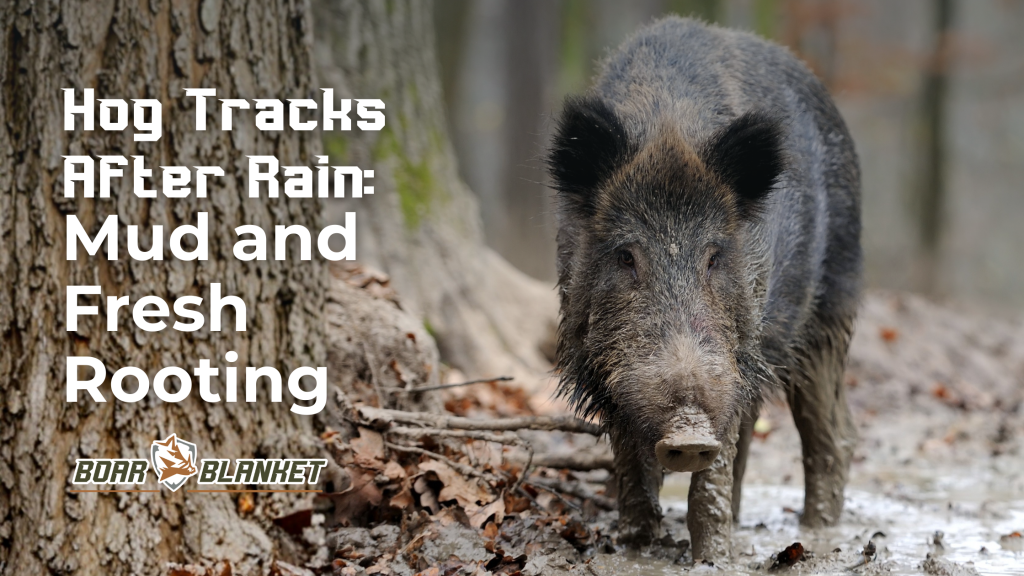
Hog Identification & Field Education

Hog Tracks & Travel Patterns: Predict Where Hogs Go Next

Introduction: Tracking Hogs Is a Skill Every Landowner Should Learn Hogs often move silently and mostly at night, which makes their travel behavior easy to overlook. Yet they leave behind a predictable set of signs that reveal where they feed, bed, wallow, and travel. Learning how to read hog tracks, trails, and movement patterns helps

Hog Tracks & Travel Patterns: Predict Where Hogs Go Next Read More »

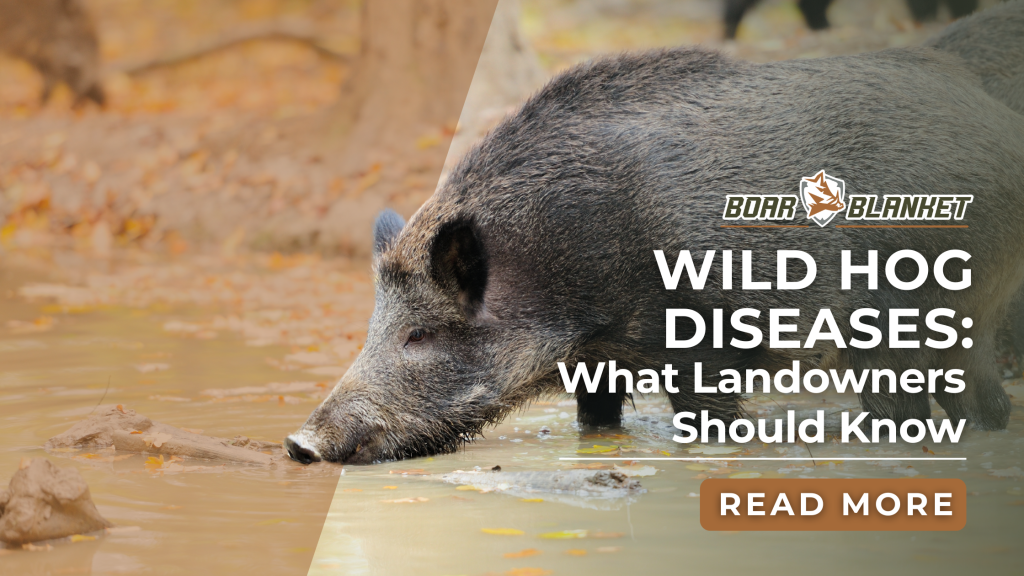
Wild Hog Diseases: What Landowners Should Know

Introduction: The Hidden Risk Behind Every Hog Encounter Feral hogs are well known for rooting damage, crop losses, and aggressive behavior, but many landowners and trappers are less familiar with the diseases these animals carry and the risks associated with hunting, handling, or trapping wild pigs. Wild hogs can carry dozens of pathogens that affect:

Wild Hog Diseases: What Landowners Should Know Read More »

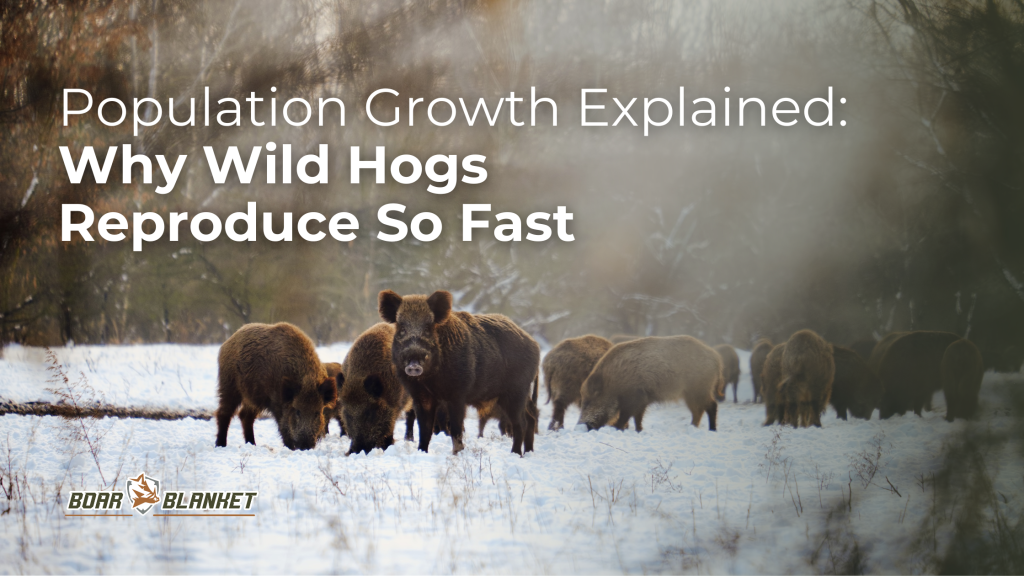
Population Growth Explained: Why Wild Hogs Reproduce So Fast

Introduction: The Fastest Growing Invasive Mammal in North America Hog populations across the United States continue to rise despite decades of hunting pressure and state-level removal efforts. What surprises many landowners and new trappers is not just how destructive feral hogs are, but the speed of their population growth, even after consistent removal. Across Texas,

Population Growth Explained: Why Wild Hogs Reproduce So Fast Read More »

Baiting Hog Traps: Corn Rows, Scent Control & Pre-Baiting

Successfully trapping wild hogs starts long before a net or trap is ever set. One of the most important steps in baiting hog traps for whole-sounder success is pre-baiting, a conditioning phase that teaches hogs to trust a site, return consistently, and enter without hesitation. Many landowners skip this step and, as a result, catch

Baiting Hog Traps: Corn Rows, Scent Control & Pre-Baiting Read More »

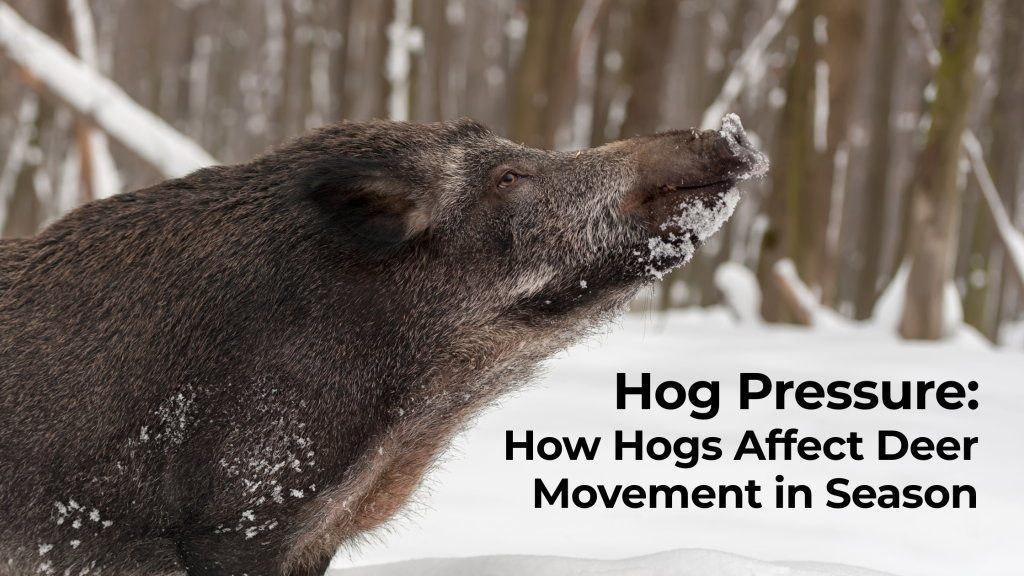
Hog Pressure: How Hogs Affect Deer Movement in Season

Wild hogs and whitetail deer often share the same habitat, food sources, and travel corridors. During deer season, this overlap becomes a major frustration for landowners and hunters who suddenly notice quiet mornings, empty feeders, and deer disappearing from camera patterns. The cause is often hog pressure, a powerful disruptor that changes deer behavior more

Hog Pressure: How Hogs Affect Deer Movement in Season Read More »

Understanding Hog Sounder Size for Better Trapping

Wild hogs rarely travel alone. They move, feed, sleep, and root in organized family groups called sounders. Understanding sounder size, how these groups behave, and how they use the land is essential for any landowner trying to eliminate feral hog populations. This guide breaks down group structure, size ranges, reproduction patterns, and the behaviors that

Understanding Hog Sounder Size for Better Trapping Read More »

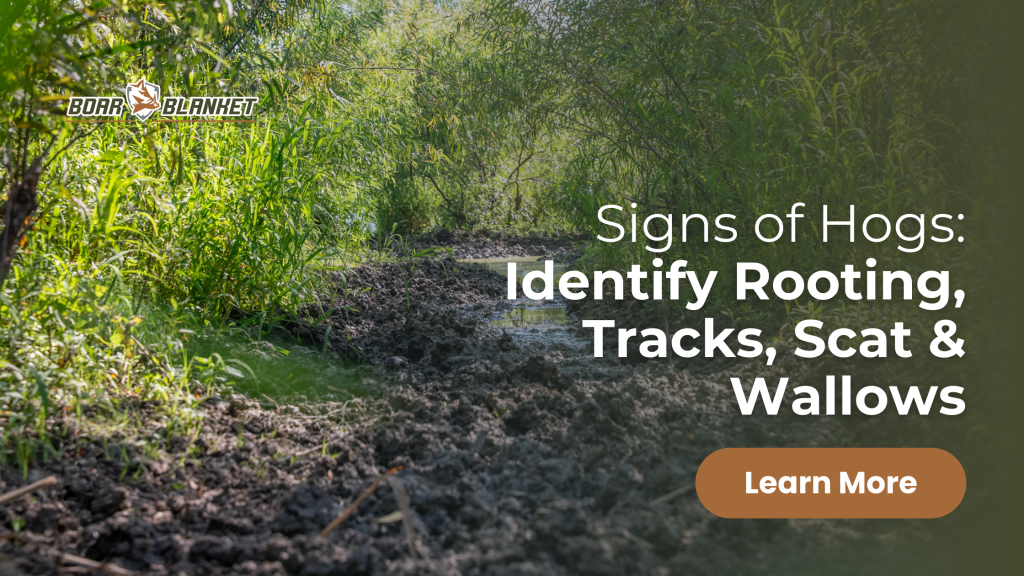
Signs of Hogs: Identify Rooting, Tracks, Scat & Wallows

Wild hogs are one of the most destructive invasive species in North America. They tear up fields, destroy pastures, contaminate water, and can wipe out 10–20 acres in one night. Before landowners can trap hogs effectively, they must first confirm that hogs are present. This guide breaks down the major signs of hogs including rooting,

Signs of Hogs: Identify Rooting, Tracks, Scat & Wallows Read More »