Brittany Marburger

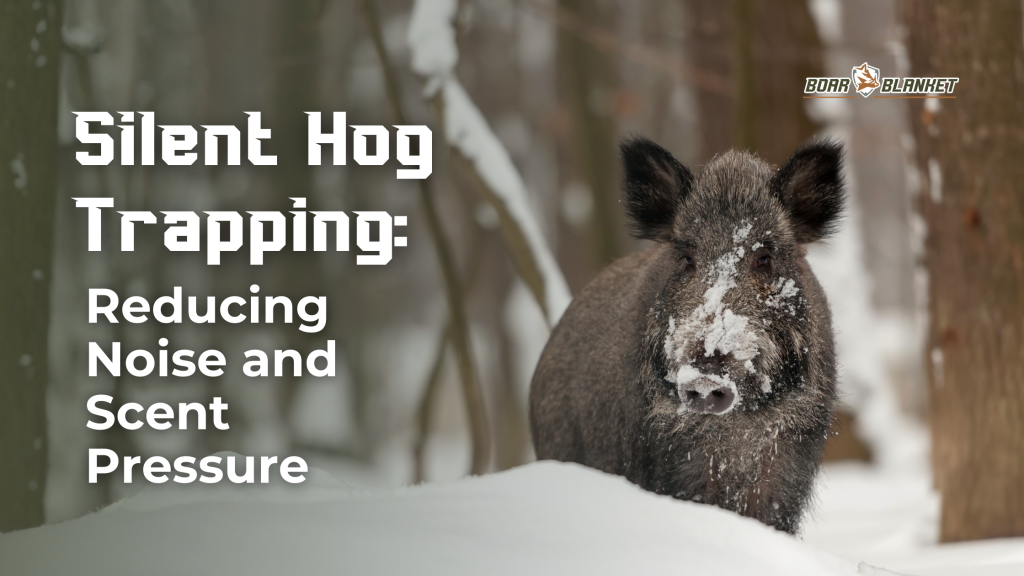
Silent Hog Trapping: Reducing Noise and Scent Pressure

Hogs Learn Fast When You Make Noise Most landowners blame “trap-shy hogs” on intelligence alone. In reality, hogs are responding to what they experience around your setup: loud equipment, disruptions to natural hog scent patterns, strong human scent, bright lights, truck patterns, and sudden changes in their environment. Over time, sounders learn to avoid specific […]

Silent Hog Trapping: Reducing Noise and Scent Pressure Read More »

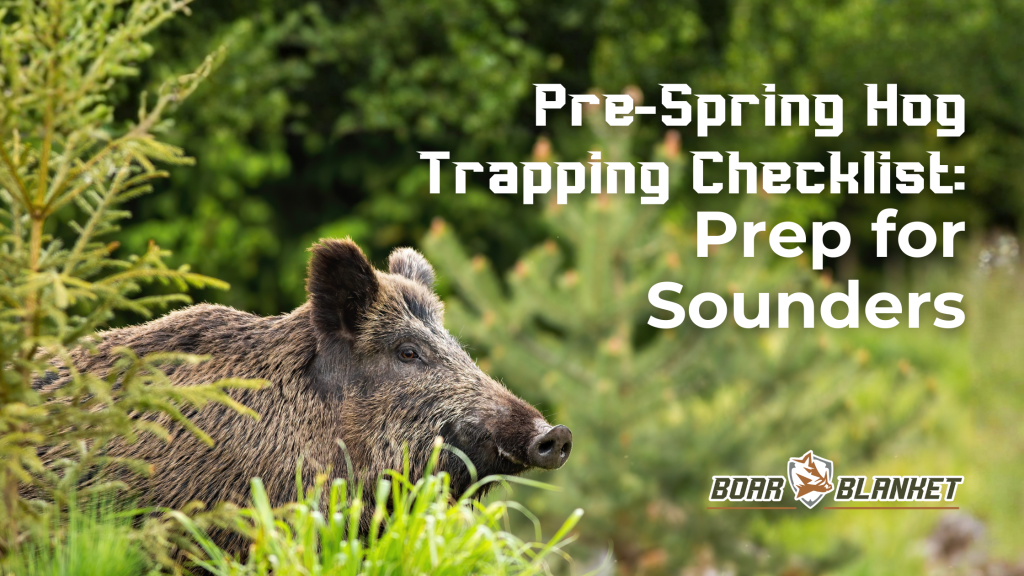
Pre-Spring Hog Trapping Checklist: Prep for Sounders

Spring Success Is Built In February By the time spring green-up arrives, most landowners feel behind. Hogs are already hitting fields, food plots, and feeders. Cameras start lighting up, and hog trapping becomes reactive instead of strategic. A better approach is to treat late winter as your prep season. When you walk into March and

Pre-Spring Hog Trapping Checklist: Prep for Sounders Read More »

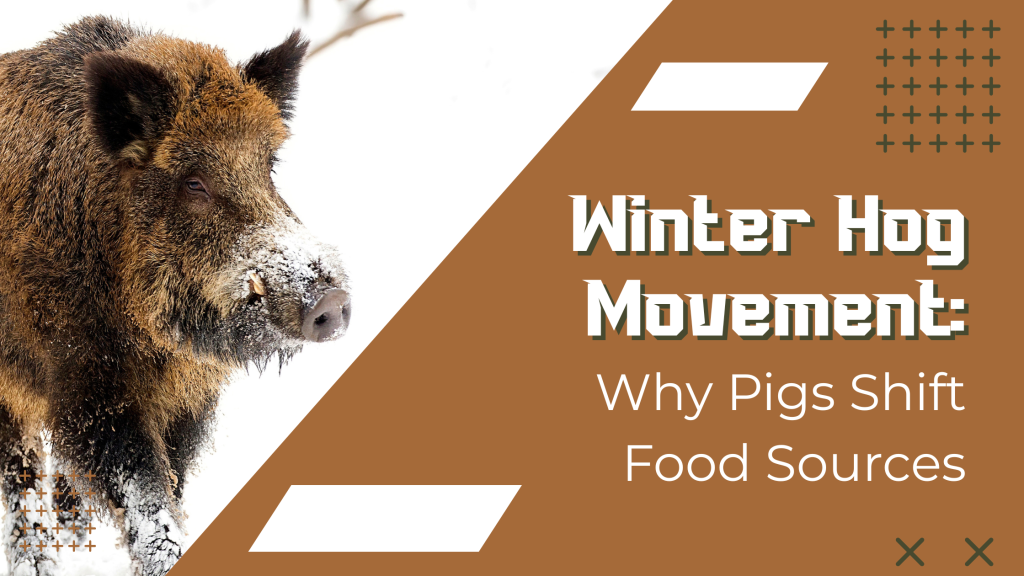
Winter Hog Movement: Why Pigs Shift Food Sources

Winter Is When Patterns Get Honest January and February reveal hog behavior and hog movement more clearly than almost any other time of year. When acorns are gone, crops are harvested, and green vegetation is thin, hogs must work harder to find calories. That pressure forces them into more predictable travel routes, tighter bedding cover,

Winter Hog Movement: Why Pigs Shift Food Sources Read More »

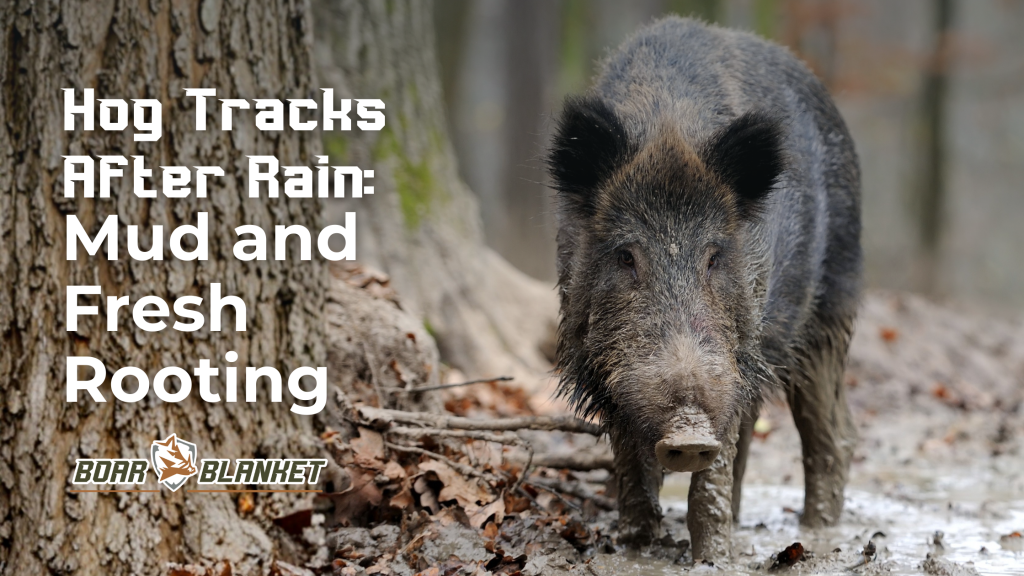
Hog Tracks & Travel Patterns: Predict Where Hogs Go Next

Introduction: Tracking Hogs Is a Skill Every Landowner Should Learn Hogs often move silently and mostly at night, which makes their travel behavior easy to overlook. Yet they leave behind a predictable set of signs that reveal where they feed, bed, wallow, and travel. Learning how to read hog tracks, trails, and movement patterns helps

Hog Tracks & Travel Patterns: Predict Where Hogs Go Next Read More »

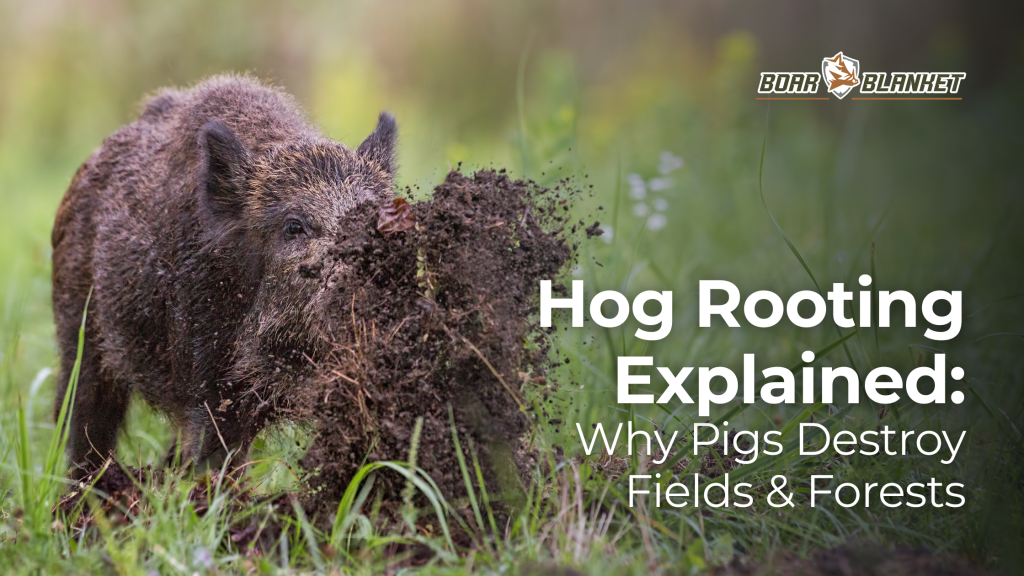
Hog Rooting Explained: Why Pigs Destroy Fields & Forests

Introduction: Rooting Is the First and Most Costly Sign of Hog Activity Hog rooting is the behavior most landowners notice first when wild pigs move onto a property. Overnight, a pasture that looked normal can resemble a freshly tilled field. Farm roads develop deep troughs. Garden edges lift and roll. Saplings are uprooted in small

Hog Rooting Explained: Why Pigs Destroy Fields & Forests Read More »

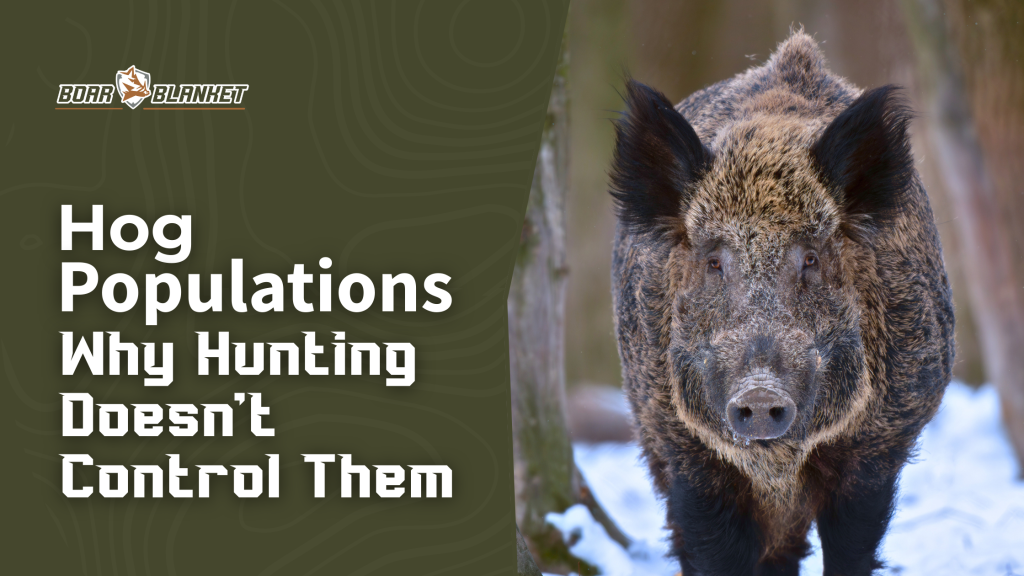
Hog Populations: Why Hunting Doesn’t Control Them

Introduction: The Hard Truth Behind the “Just Hunt Them More” Mindset Across the South and Midwest, hunting is one of the most common responses to rising hog damage. Many landowners assume that if enough people hunt, hog populations will decline over time, but field data tells a different story. Hunting is valuable for recreation and

Hog Populations: Why Hunting Doesn’t Control Them Read More »

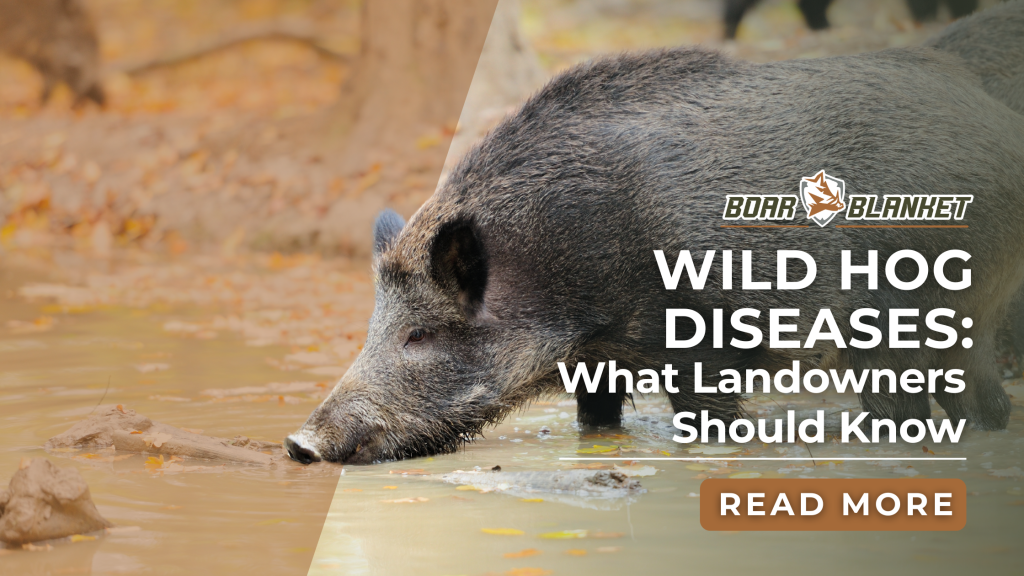
Wild Hog Diseases: What Landowners Should Know

Introduction: The Hidden Risk Behind Every Hog Encounter Feral hogs are well known for rooting damage, crop losses, and aggressive behavior, but many landowners and trappers are less familiar with the diseases these animals carry and the risks associated with hunting, handling, or trapping wild pigs. Wild hogs can carry dozens of pathogens that affect:

Wild Hog Diseases: What Landowners Should Know Read More »

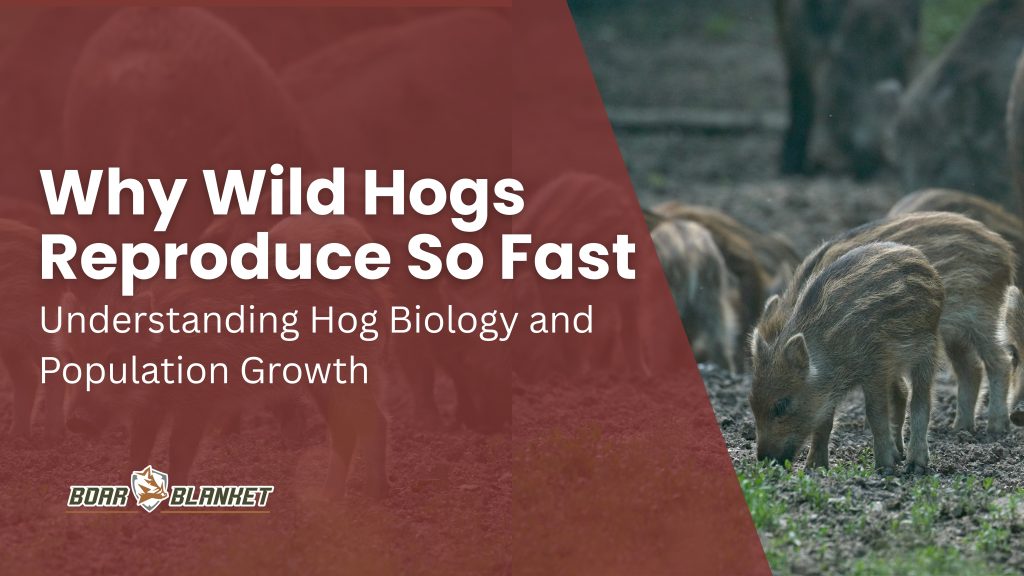
Population Growth Explained: Why Wild Hogs Reproduce So Fast

Introduction: The Fastest Growing Invasive Mammal in North America Hog populations across the United States continue to rise despite decades of hunting pressure and state-level removal efforts. What surprises many landowners and new trappers is not just how destructive feral hogs are, but the speed of their population growth, even after consistent removal. Across Texas,

Population Growth Explained: Why Wild Hogs Reproduce So Fast Read More »