
Introduction: The Hidden Risk Behind Every Hog Encounter
Feral hogs are well known for rooting damage, crop losses, and aggressive behavior, but many landowners and trappers are less familiar with the diseases these animals carry and the risks associated with hunting, handling, or trapping wild pigs.
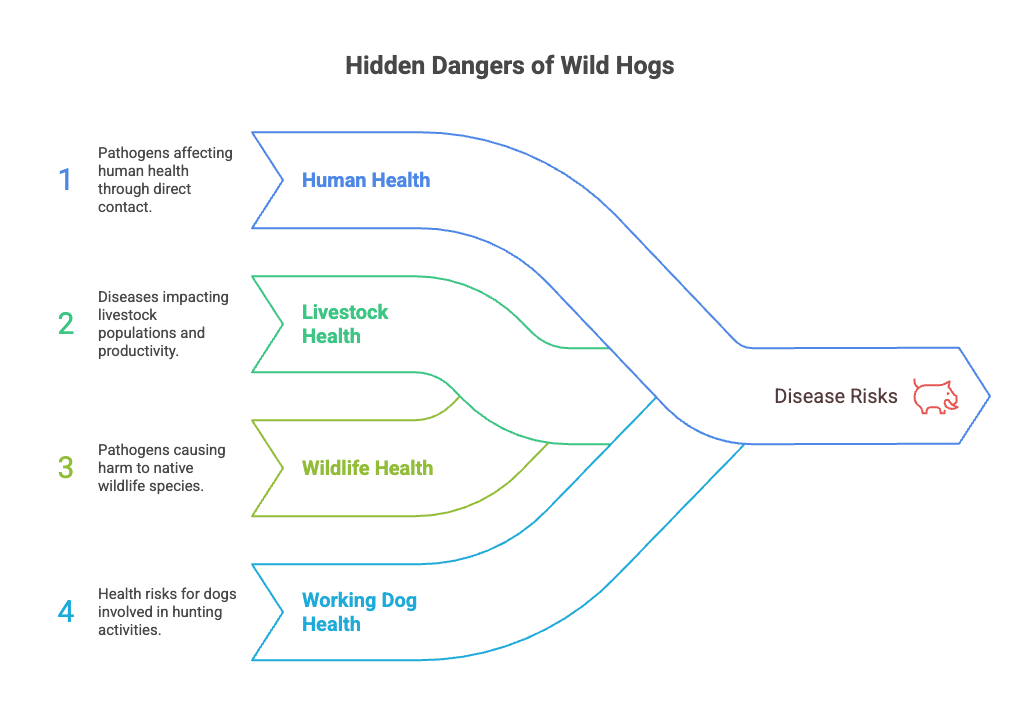
Wild hogs can carry dozens of pathogens that affect:
- Humans
- Livestock
- Wildlife
- Working dogs
Some diseases spread through direct contact. Others spread through bodily fluids, contaminated soil, or improperly handled meat. Because feral hogs move freely between agricultural lands, wetlands, forest edges, and residential areas, these pathogens travel with them.
This guide focuses on the diseases most relevant to people who trap, hunt, dress, or process wild hogs. Understanding these risks is a critical part of safe field operations.
Why Wild Hogs Carry So Many Diseases
Wild hogs are omnivorous, opportunistic foragers that interact with a wide range of environments. Their constant movement and feeding habits expose them to contaminated water sources, carcasses, livestock waste, and soil-borne pathogens.
Several factors make hogs high-risk disease carriers:
1. They live in close contact with livestock and wildlife
Hogs can transmit pathogens to cattle, sheep, goats, deer, poultry, and pets. Diseases like pseudorabies and brucellosis can move directly from hogs to domestic animals.
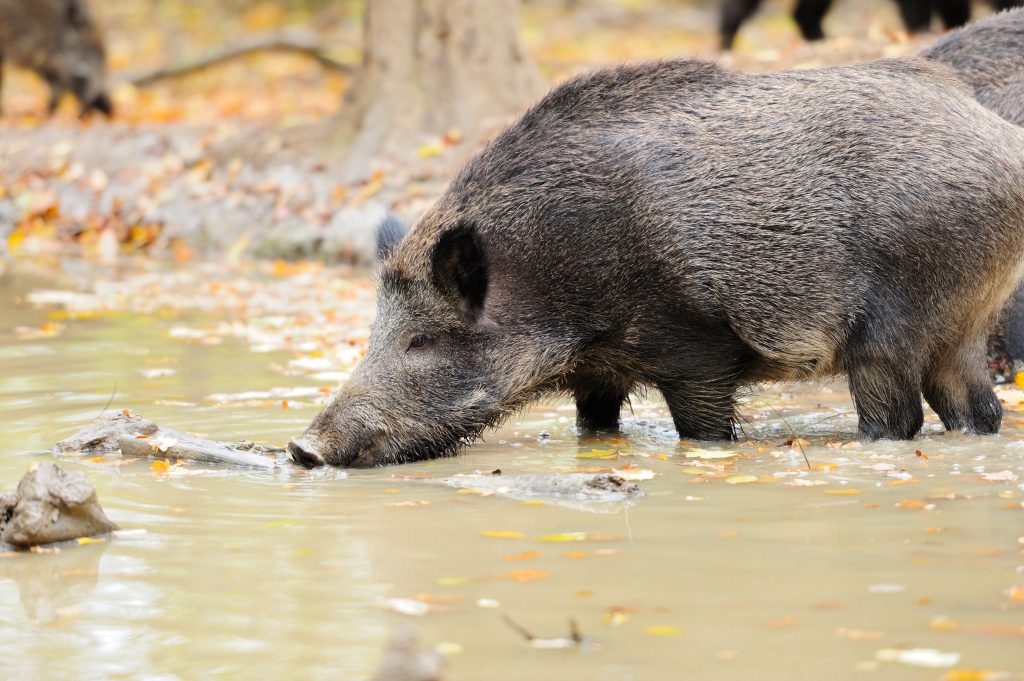
2. They congregate around water sources
Wallows, ponds, and troughs become contaminated when hogs defecate or urinate in them.
3. They scavenge carcasses
This increases exposure to bacterial and parasitic infections that can jump to humans and livestock.
4. They move across large areas
Hog ranges commonly stretch across multiple properties, which allows pathogens to spread beyond a single ranch.
For detailed disease lists and biological references, see the Hog University disease resources.
Table: Key Diseases Carried by Feral Hogs and Why They Matter
| Disease | Affects Humans? | Affects Livestock & Pets? | Transmission Risk | Notes |
| Brucellosis | Yes | Yes | Blood, fluids, tissue | High risk during field dressing |
| Leptospirosis | Yes | Yes | Urine, contaminated water | Can cause serious illness |
| Pseudorabies (PRV) | No | Yes (dogs, livestock) | Saliva, nasal fluids | Fatal to dogs; hogs show no symptoms |
| Salmonella / E. coli | Yes | Yes | Feces, meat | Improperly cooked meat common source |
| Trichinosis | Yes | Yes | Undercooked meat | Cooking to proper temperature prevents it |
| Swine Influenza | Yes (rare) | Yes | Aerosols, fluids | More common in high-density hog regions |
| Classical Swine Fever (Hog Cholera) | No | Yes | Contact with infected hogs or materials | Major agriculture concern |
This table represents only a portion of known pathogens. Some diseases affect only livestock. Others are zoonotic, meaning they can infect humans.
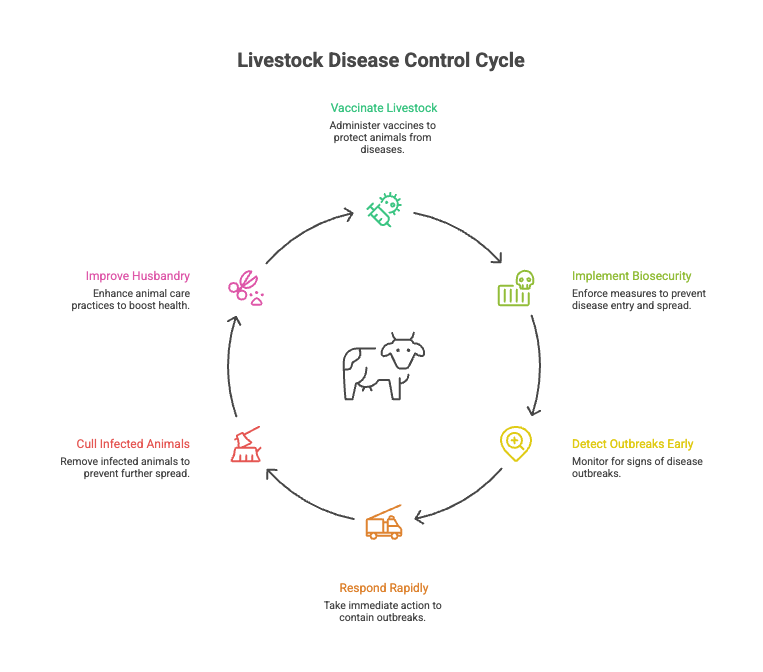
Major diseases carried by wild hogs and their transmission risks to humans and livestock.
Diseases That Pose the Greatest Risk to Humans
Individuals who handle wild hogs most often encounter the following zoonotic diseases:
Brucellosis
One of the most serious diseases transmitted from hogs to humans.
Risk is highest when:
- Field dressing a hog
- Handling reproductive organs
- Contacting blood or bodily fluids through cuts
Symptoms in humans may include fever, joint pain, chronic fatigue, and long-term health complications.
Leptospirosis
Often contracted through contaminated water or soil.
Hunters and trappers may encounter it when:
- Walking through hog wallows
- Handling wet carcasses
- Cleaning contaminated equipment
Without treatment, leptospirosis can cause kidney or liver damage.
E. coli and Salmonella
Both can cause gastrointestinal illness when meat is not cooked properly or when cross-contamination occurs during butchering.
Trichinosis
A parasitic infection that occurs when wild pork is not cooked thoroughly.
Freezing does not kill the parasite. Only cooking to safe temperatures prevents infection.
For deeper disease explanations, see the Hog University disease section.
Diseases That Threaten Livestock and Working Dogs
Many landowners are surprised to learn that hogs can transmit fatal diseases to pets, especially dogs used for tracking or recovery.
Pseudorabies (PRV)
This is one of the most dangerous hog-transmitted diseases for dogs.
It is always fatal in canines.
Dogs can contract PRV by:
- Contact with hog saliva or nasal fluid
- Biting hog carcasses
- Exposure to contaminated equipment
For ranchers, PRV can also spread to cattle, sheep, and goats.
Swine Brucellosis
Can infect both domestic pigs and several livestock species.
This disease creates long-term reproductive issues and is often difficult to eliminate once established.
Classical Swine Fever and African Swine Fever Risks
While currently rare in the U.S., wild hogs are considered a major risk factor if either disease enters the country.
State agencies monitor hog populations closely due to these global threats.
For up-to-date state-specific handling laws, see State Hog Hunting Laws.
Safe Handling Practices for Hunters and Trappers

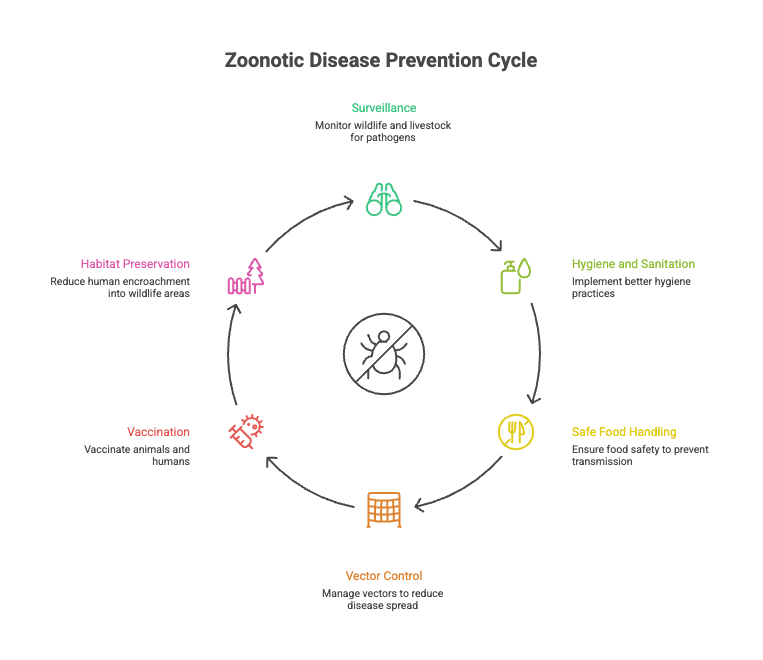
Because many hog-transmitted diseases spread through blood, fluids, or contaminated surfaces, proper field hygiene is critical.
Use protective gear
Wear gloves, long sleeves, and eye protection when:
- Lifting hogs
- Dressing hogs
- Cleaning tools or traps
Avoid direct contact with fluids
Cuts, scrapes, and open wounds are high-risk entry points.
Keep dogs away from carcasses and raw meat
Even brief exposure can be dangerous.
Cook all wild pork to safe temperatures
Whole muscle meat: 140°F
Ground meat: 160°F
To eliminate parasites like trichinosis, cooking must be thorough.
Disinfect all surfaces
Use bleach-based solutions on:
- Tables
- Knives
- Saws
- Equipment
- Reusable gloves
Dispose of remains properly
Follow local guidelines to prevent disease spread to scavengers or livestock.
For guidance on trapping systems that reduce direct contact, see Boar Blanket vs Cage Traps.
Why Disease Awareness Matters for Every Landowner
Understanding hog-related diseases is not simply a matter of hunter safety. These pathogens have broader implications across rural communities.
Hogs can:
- Contaminate water sources
- Threaten cattle, sheep, goats, and poultry
- Spread illness to hunting dogs
- Reduce crop and pasture health
- Introduce costly veterinary challenges
Disease management is one of the reasons agencies emphasize controlling hog populations through complete removal of sounders rather than opportunistic harvesting. The fewer hogs on the landscape, the lower the disease pressure across livestock and wildlife.